
What is AI and Why Does it Matter for Pastors?

AI (artificial intelligence) has taken the world by storm. Companies are investing heavily in AI solutions, while individuals are searching for the best AI software to optimize their daily tasks.
The church must contend with the reality of AI in this cultural moment. Christian leaders must seriously consider the implications of using AI and how to lend a voice to the AI conversation.
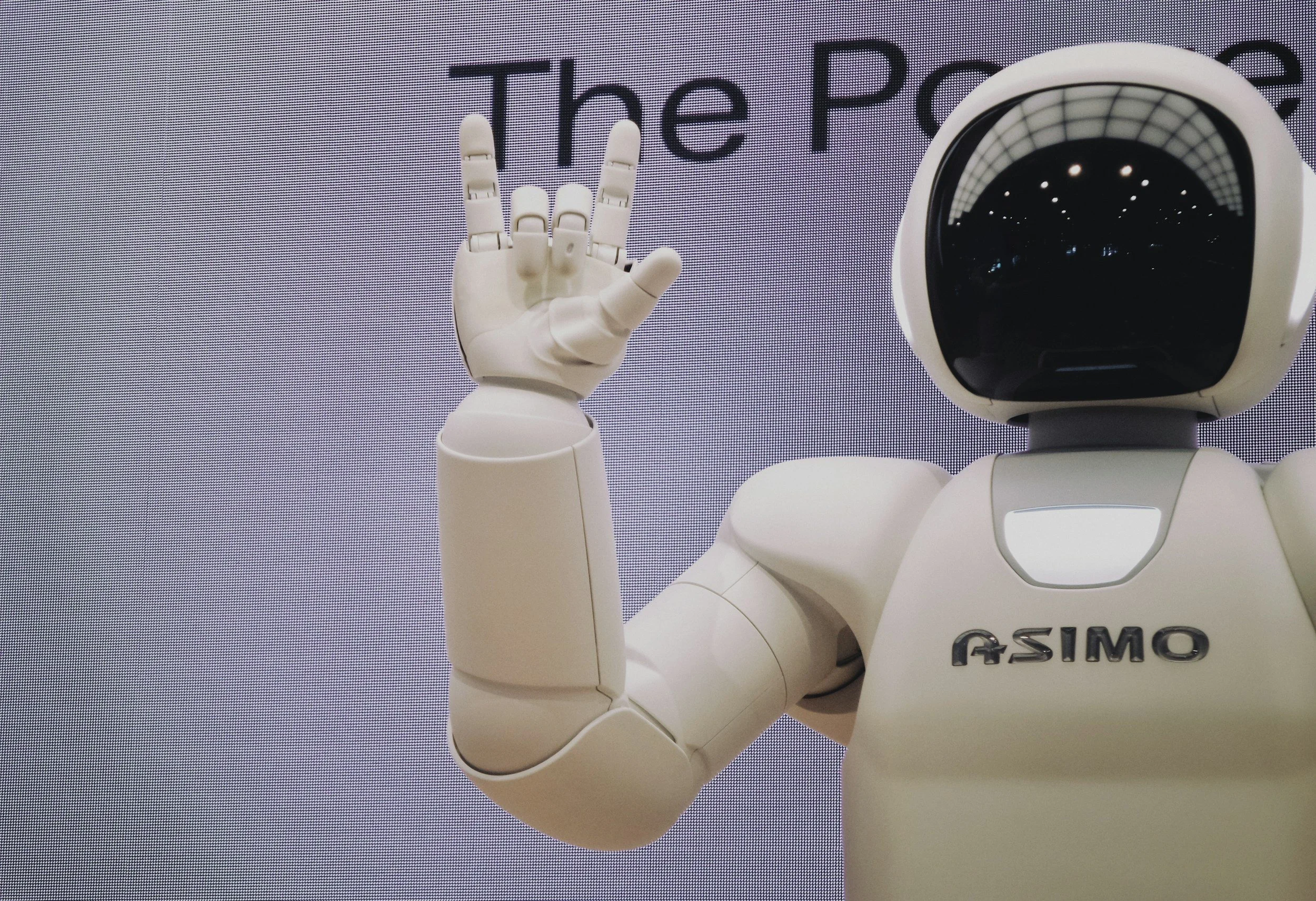
Christian leaders must seriously consider the implications of using AI and how to lend a voice to the AI conversation.
Christian leaders and pastors often lack the foundational background in computer technology to grasp what AI is and how the software functions, so this article aims to help you understand what AI is and why it matters.
I will also publish a piece about AI considerations for church life and leading churches well.
What is AI?
First, quell your fears or concerns about AI taking over the world (like in the movies Terminator or The Matrix) or developing human-like qualities. As a computer technology, AI does not contain the potential to suddenly develop personhood, nor should immediate concerns surround an AI apocalypse (as often depicted in popular media).
Rather, examinations of AI should focus on the realistic applications of AI in today’s society for work, everyday consumer applications, education, creativity, and even providing answers for religious inquiry.
In its current state, AI is best understood as either a powerful computing tool capable of rapidly processing enormous amounts of data or a powerful search engine, collecting data based on a certain prompt.
As a computing tool for processing data, AI is no different from the computer you use at home or at work, but it can process more data and do so faster.
As a search engine, we prompt AI platforms, such as ChatGPT or Gemini, with various intellectual questions and personal inquiries. Utilizing a combination of online searching and training data, AI platforms act as a fancier search engine.
Simplifying AI platforms to these two functions demystifies some of the obscurity surrounding this computer technology. AI is not an all-powerful or all-knowing sentient artifact. Rather, AI is an advanced and powerful computer technology with inherent limitations.
How Should Leaders Think about AI?
For pastors and church leaders, your task involves leading your congregation in responsible AI usage and discerning truth in this brave new AI world.
Here are five practical considerations if you are considering introducing AI to assist in your ministry or if your church or organization has already adopted AI.
1. Right Understanding.
If you are going to lead your church or ministry in using AI, then you must be willing to learn about its capabilities and limitations.
Knowledge of what AI is and how it works lifts the curtain of technological mystery, helping you understand what AI can do for your ministry.
Books like Meredith Broussard’s Artificial Unintelligenceare part of a growing list of introductory sources that can help you understand AI more deeply.
2. Remember the imago Dei.
AI is not human, and it never will be. You are a human created in the image of God with the indwelling of the Holy Spirit.
Although AI can certainly perform some functions at a much higher speed than humans, AI can never replace what makes you special.
3. Recognize AI as a tool.
Just as you utilize your phone or laptop as a tool to assist in your job, AI should similarly be viewed as a tool. Tools require proper stewardship from the user to function effectively.
As such, tools exist to assist YOU in your work.
4. Right tool for the right job.
You would not use a hammer where a screwdriver is required. The hammer is not an effective tool for completing the work where a screwdriver would be most effective.
Similarly, you should carefully consider whether AI is the appropriate tool for the job at hand.
5. Resist the culture of unexamined progress.
The growing interest in AI is further exemplified by a culture where the mantra “newer is always better” is exalted. This uncritical attitude towards the latest technology can lead us to assume that new technologies will solve all problems.
Instead, church leaders must carefully examine AI and determine its capabilities and limits.
Read Part 2 on How to Lead Your Church Well in an AI World
Dr. Eddy Wu works as an IT Analyst and Team Lead at NC State University. His interests include Apologetics, Technology, A.I., and Asian culture. He enjoys teaching and mentoring the youth at his church.
He is married to Erica, and they have two beautiful and crazy children.





Christian accountability is an important part of discipleship. We often hold our Christian brothers and sisters accountable for inappropriate words or acts, but we might neglect one place where we spend a lot of social time.