
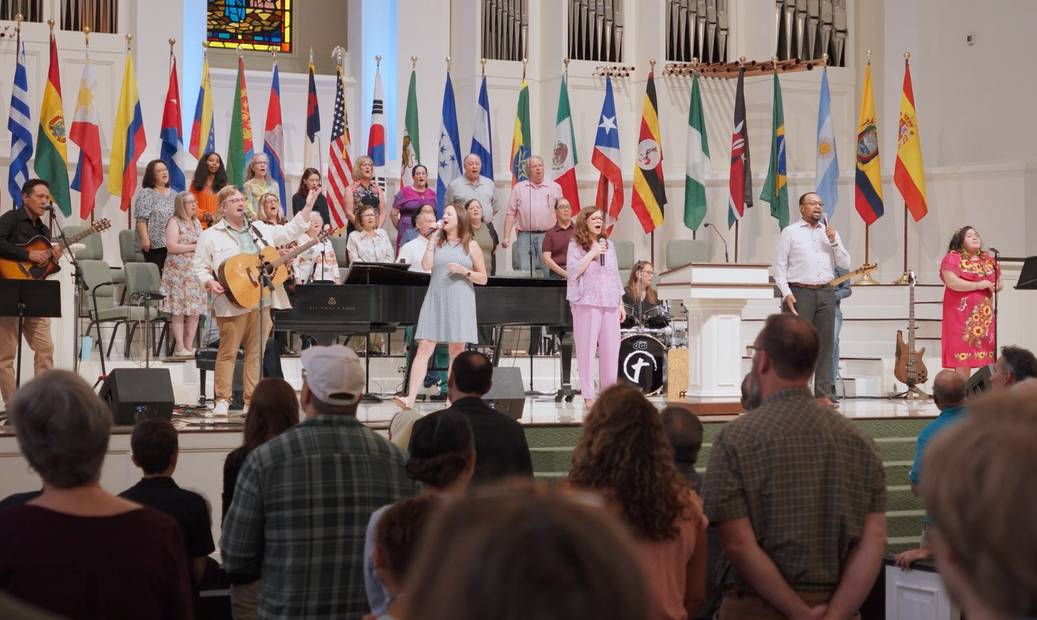
In a rapidly growing metropolitan area like Houston, real estate can be a real challenge. For many congregations, especially smaller churches or those inside the loop, owning and maintaining a facility is one of the largest financial barriers to ministry. But when churches open their doors to share space with other congregations, non-profits, or community groups, a building can become a powerful asset for Kingdom collaboration.
However, generosity without clear boundaries often leads to unmet expectations, stained carpets, and administrative headaches. Creating policies and setting boundaries upfront is a form of pastoral care that protects relationships for the long haul.
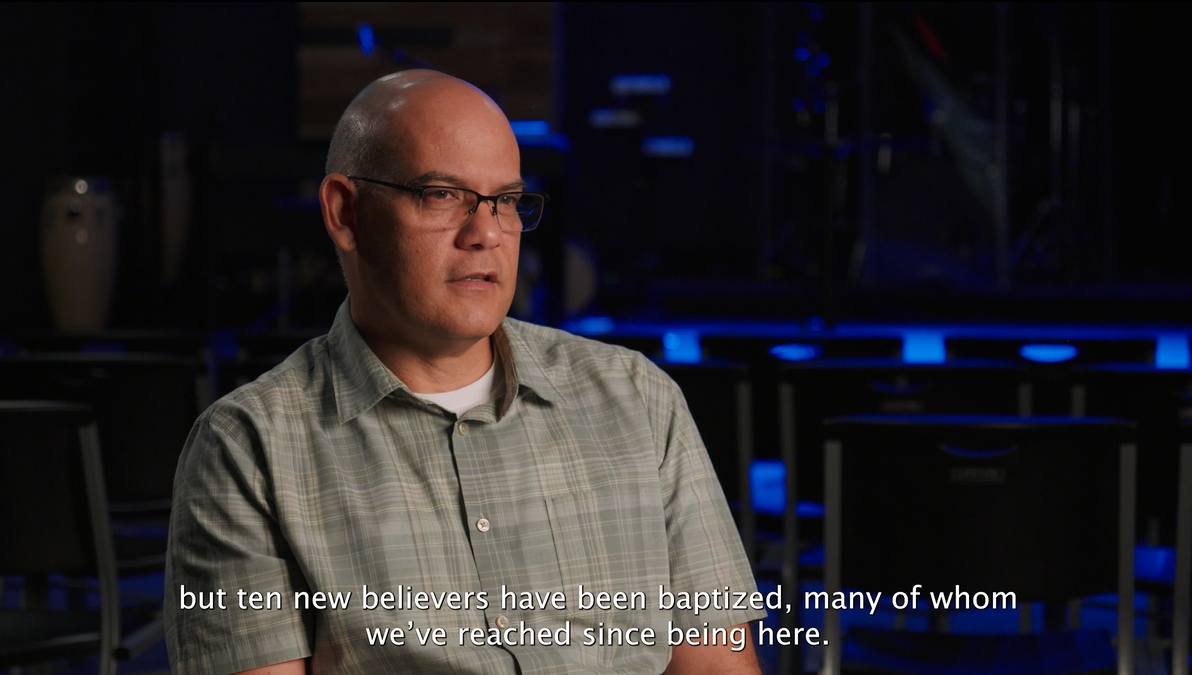
In this episode of the “Under the Steeple” podcast, Marie Burrus and Matthew Dillingham discuss policies and postures that make sharing your church facilities possible.

By establishing clear, written policies, your church can stay generous, steward its resources well, and serve as a reliable hub for gospel impact across your city.
Define Your "Why" Upfront
Before opening your doors, clarify your primary motivation. Are you seeking rental revenue to offset building overhead, looking for a Kingdom partner to share ministry goals in your neighborhood, or balancing a mix of both? Your core objective dictates how you structure rental rates, schedule access, and write your agreements.
Ditch the Handshake Deal
Informal arrangements rarely survive leadership changes or volunteer turnover. To keep partnerships healthy and transparent, put every arrangement into a formal, written Facility Use Agreement that is reviewed by legal counsel and renewed annually.
A standard facility agreement should clearly cover:
Approved Spaces & Schedules: Exact rooms, dates, and hours of access, along with strict guidelines on who may operate A/V equipment.
Baseline Operational Costs: Rental fees structured to reliably cover HVAC usage, janitorial needs, facility wear-and-tear, and required staff hours.
Liability & Security: Mandatory proof of outside liability insurance naming your church as an additional insured, backed by a clear indemnification clause.
Exit Strategies & Overrides: A 30-day written cancellation clause, annual review dates, and emergency override terms (such as prioritizing church funerals).
Mind the Legal and Tax Boundaries
Generosity must be paired with legal awareness. Avoid posting public "Space for Rent" signs or entering unvetted leases with for-profit businesses. By leasing space to for-profit organizations, you’re introducing complex tax implications which could put your non-profit status at risk if not structured through a proper legal entity.
Stewardship means caring for both the people in your building and the physical asset itself. By establishing clear, written policies, your church can stay generous, steward its resources well, and serve as a reliable hub for gospel impact across your city.





How to share your church facilities with others without creating relational, legal, or ministry issues.