
Houston is a fascinating and complicated place. We're home to the world's largest medical center, our Port is the nation's leader in foreign trade tonnage, and you can argue our food scene is the best in the world—Houstonians eat out two more meals per week than the national average. We even have a Houston area code for the International Space Station!
Yet, for all our global success, we face significant challenges. Houston sits at a crossroads for human trafficking. Our largest school district is the topic of national debate.
We struggle with economic segregation, where wealth and educational success are often concentrated in the suburban ring and the "arrow" from Katy to downtown.
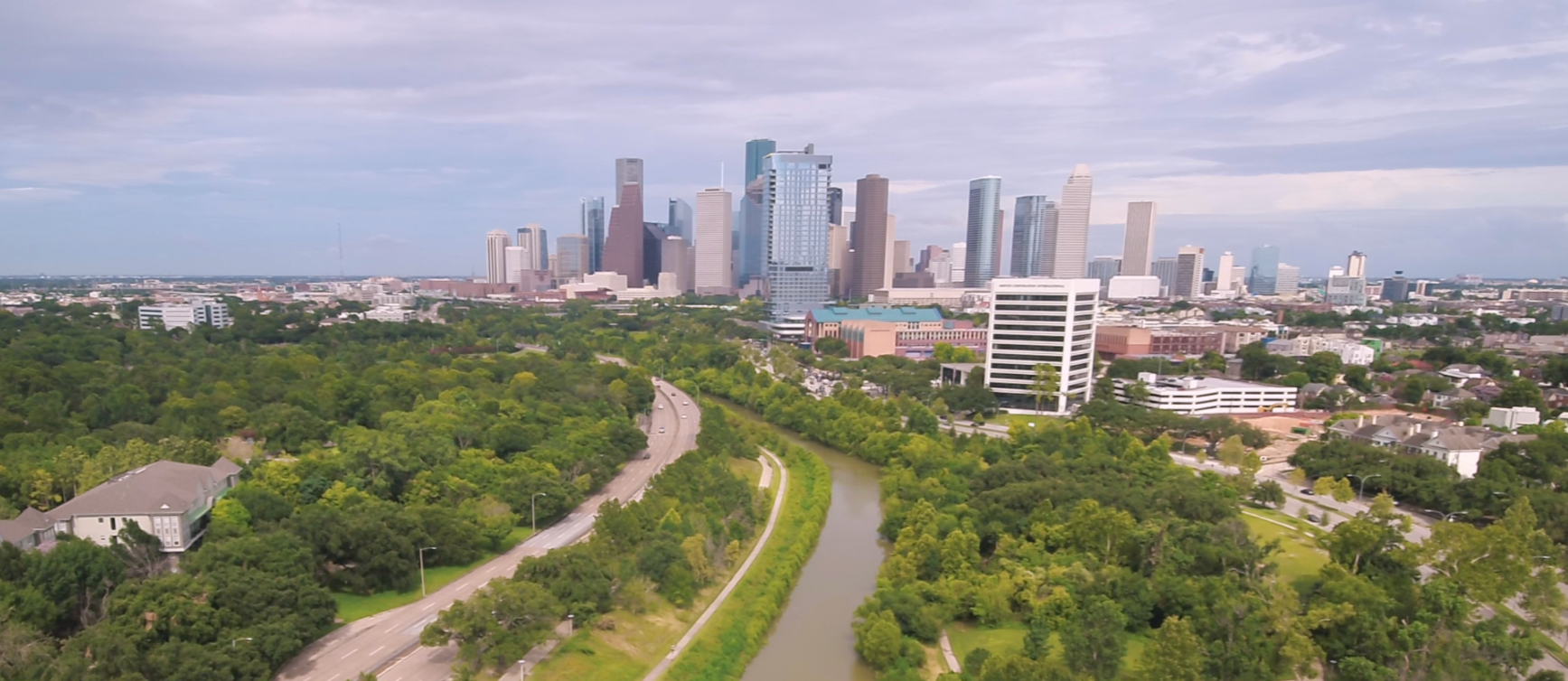
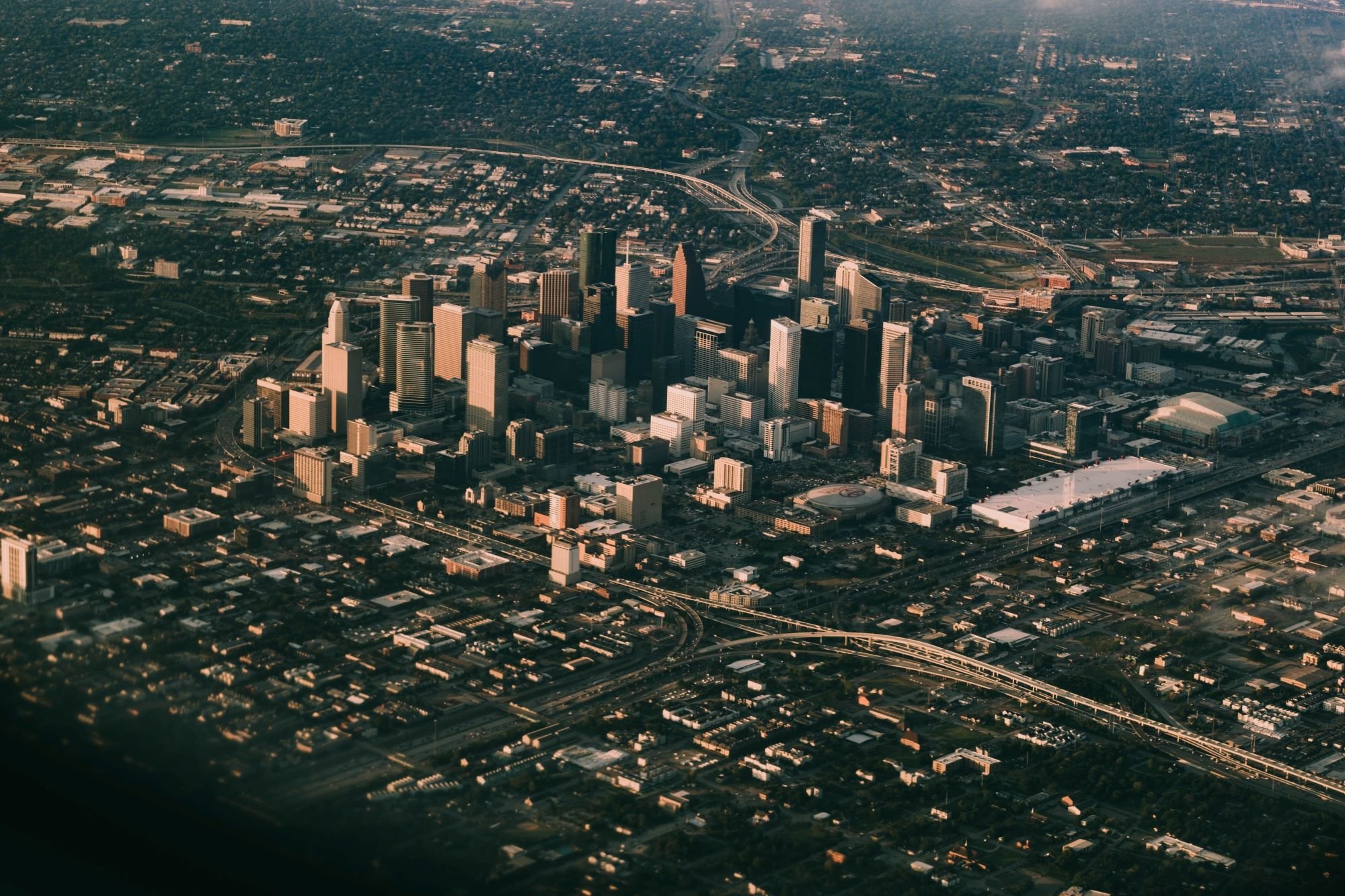
If you look at the city from above, a clear pattern emerges: Houston is a city of forests and deserts.
The Landscape of Houston
Forests are places of provision and natural growth, where the gospel seed finds fertile soil waiting. These are the parts of the city known for what they produce.
Deserts are also places of growth, but that growth requires intentional cultivation. Those who thrive here understand that community and sharing burdens are essential.
While our "forests" often get the attention, the future of our region will ultimately be determined by how we care for and cultivate our "deserts."
When I pray for the peace, shalom, and welfare of our city, I pray according to Jeremiah 29:7, knowing that the peace of Houston is tied directly to the peace of those who live, work, and play around me.
This is why we must recognize that where intentional cultivation is absent, the desert will eventually win, destroying the good Kingdom growth that exists.
Cultivating Together
Seeing the whole city is critical for our ministry efforts and for God’s glory. This isn’t a task for one church; it's a unified mission.
Cultivating the hard places in our city might mean:
Finding new partnerships between "forest" and "desert" churches.
Challenging our old models for church planting and revitalization.
Sharing spaces, finding funding, and doing whatever else is necessary to see the gospel take root in the difficult areas of our city.
Houston is not just where we live. It is where God has placed us—and the Great Commission requires us to see the whole landscape.
Josh Ellis is Executive Director of Union Baptist Association. He has a PhD in Leadership Studies and has served on the UBA staff since 2005. With both practical and scholarly knowledge, he leads the association into innovative collaboration for the sake of strategic gospel advancement.




Unpacking the current statistics for “Houston” and what they mean for the churches and Christians who live here